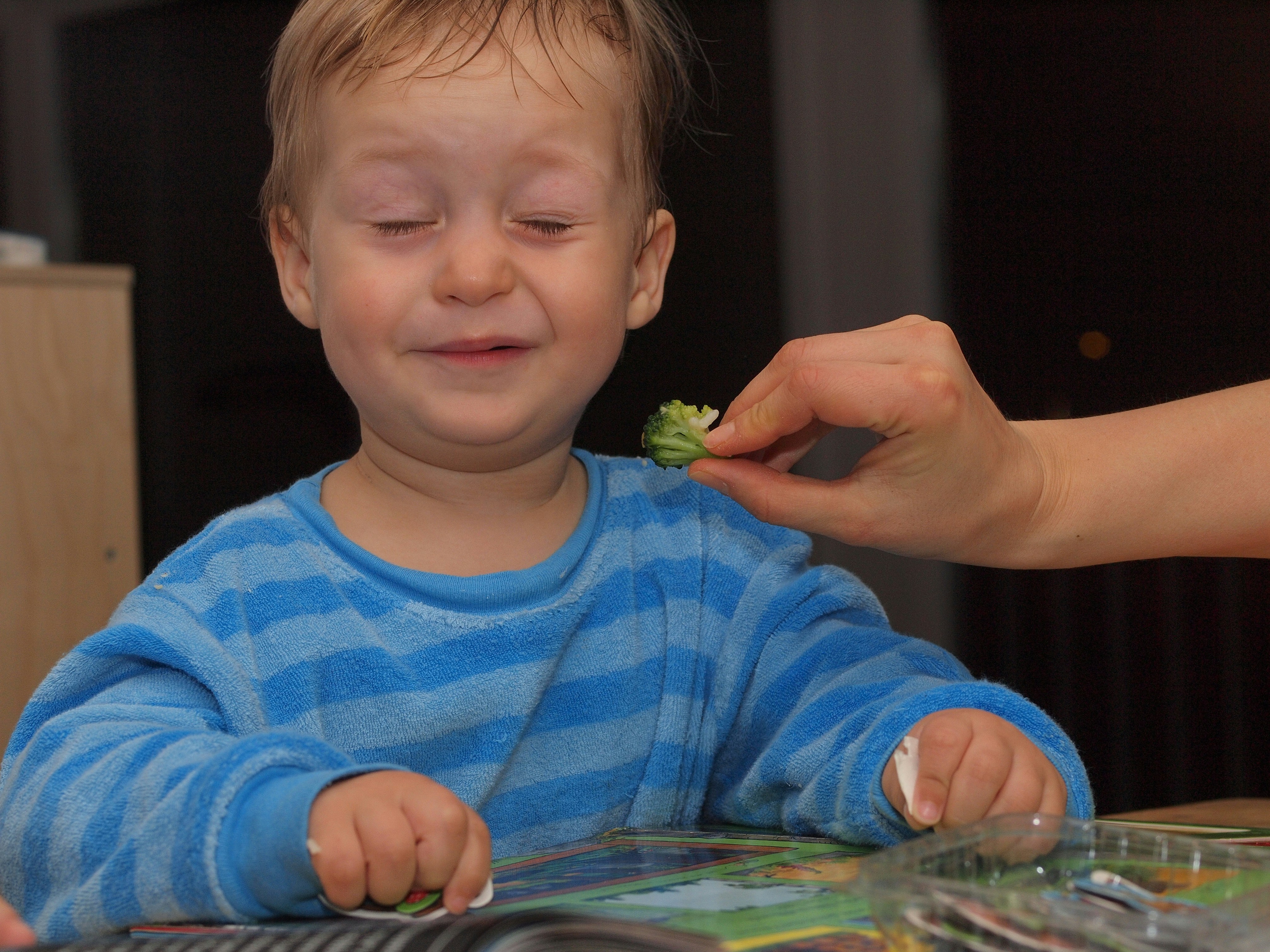
Understanding Stubbornness in Children
Stubbornness in children is a complex behavior that often stems from a variety of psychological and developmental factors. It is essential to recognize that such defiance or uncooperativeness is not purely rebellious but can signify important aspects of a child’s growth and personality. One of the primary reasons for stubborn behavior is a child’s developmental stage. During early childhood, children are learning to assert their independence, often leading to a clash with parental expectations. This is particularly noticeable as they reach the “terrible twos” and adolescence, where a natural resistance to authority can emerge.
Additionally, certain personality traits may predispose a child to be more stubborn. Children with a strong-willed disposition often exhibit traits such as determination and persistence, which can translate into stubborn behavior when faced with instructions or requests they do not agree with. It is vital for caregivers to differentiate between a healthy assertion of will and negative behavior based on frustration or misunderstanding.
The surrounding environment plays a significant role in how stubbornness expresses itself. Parenting styles heavily influence a child’s behavioral patterns; for instance, authoritative parenting, characterized by high responsiveness and high demands, often yields children who feel secure enough to express their opinions. Conversely, a permissive or overly strict environment can exacerbate feelings of rebellion, leading to defiant attitudes. Understanding these environmental factors can empower parents to adapt their strategies accordingly.
Ultimately, recognizing that stubbornness is often a natural component of childhood development allows for a more empathetic approach. By considering the psychological aspects behind such behavior, caregivers can foster an understanding environment, paving the way for improved communication and cooperation.
Establishing Clear and Consistent Boundaries
Setting clear and consistent boundaries is fundamental in managing a stubborn child. Children thrive in environments where expectations are clearly communicated, fostering stability and security. Parents should first identify the specific behaviors that need regulation and express these expectations in straightforward terms. For instance, instead of vague directives like “be good,” parents can articulate specific actions, such as “please put your toys away after playing.” This clarity helps the child understand precisely what is expected of them.
Consistency is equally important when it comes to enforcing these boundaries. Parents should ensure that rules are applied uniformly to avoid confusion. If a rule is established, it must be upheld at all times. For example, if a child is not allowed to eat snacks before dinner, this rule should be enforced consistently, regardless of circumstances. Inconsistent enforcement can lead to misunderstandings and may reinforce the child’s stubbornness.
It is also beneficial for parents to utilize a calm and respectful communication style when discussing rules and expectations. Engaging the child in conversations about why certain boundaries exist can promote a better understanding and willingness to adhere to them. Instead of issuing commands, parents can express their reasoning, like saying, “We have a bedtime of 8 PM so you can get plenty of rest for school tomorrow.” This collaborative approach empowers the child and encourages compliance.
Moreover, when children push against these established boundaries, it is crucial to enforce consequences thoughtfully. Instead of resorting to harsh disciplinary measures, parents can employ a strategy where smaller privileges are temporarily revoked. This method teaches children the connection between their actions and the results in a way that feels fair and understandable.
Using Positive Reinforcement Techniques
Positive reinforcement is a powerful behavioral strategy that involves encouraging desired behaviors by offering rewards or incentives. This method is especially effective for managing a stubborn child, as it focuses on promoting compliance and fostering a cooperative attitude. By strategically applying positive reinforcement techniques, caregivers can influence their child’s behavior in a constructive manner.
At its core, positive reinforcement works by rewarding the behaviors you want to see more of. For instance, if a child helps with chores without being asked, acknowledging this action with praise or a small reward can reinforce the behavior. This approach not only affirms the child’s efforts, but also encourages them to repeat the positive actions in the future. It is essential for the rewards to be immediate and aligned with the behavior, so children can clearly connect the dots between their actions and the positive outcomes.
Effective strategies for using positive reinforcement include establishing a reward system, such as a sticker chart or a points-based program, where children can earn incentives for exhibiting desirable behaviors. Offering variety in rewards can also keep children engaged; for example, privileges like extra playtime or the choice of a family activity can be powerful incentives. Additionally, verbal praise can serve as a strong reinforcement method; specific and sincere compliments about positive behavior can significantly impact a child’s motivation.
Furthermore, it is important to note the timing and consistency of rewards. Immediate reinforcement after a desired behavior is most effective. Moreover, consistency in applying positive reinforcement helps children understand expectations and the behaviors that are valued. This stability creates a supportive environment conducive to behavioral change, enabling a shift from stubbornness towards cooperation.
Encouraging Open Communication and Empathy
Effective management of a stubborn child significantly depends on establishing a foundation of open communication and empathy. Recognizing that children may resonate with their experiences and feelings is crucial, as these interactions can shape their responses to authority and guidance. By fostering an environment in which children feel safe to express themselves, caregivers can bridge the gap between the child’s immediate frustrations and the underlying emotions driving those behaviors.
Active listening is an essential technique in developing this environment. It involves not just hearing the child’s words but also understanding the emotions behind them. Caregivers should make a conscious effort to validate their child’s feelings, which helps in reducing resistance. Phrases like, “I understand that you’re feeling upset because you wanted to play longer,” can acknowledge the child’s emotions while gently steering them towards understanding limits.
Teaching children to articulate their emotions in constructive ways is also a vital aspect of encouraging open communication. Instead of resorting to defiance, children can be guided to express their feelings through words. Parents can model this behavior by sharing their own feelings openly, thereby demonstrating how to communicate emotions effectively. Activities such as role-playing scenarios can offer children the opportunity to practice these skills safely.
Furthermore, conducting family discussions can significantly enhance family dynamics and foster a cooperative atmosphere. These discussions allow every family member to voice their opinions and feelings, promoting a sense of belonging and shared responsibility. Establishing a regular time for family meetings helps cultivate a culture of teamwork, where even stubborn children can learn the value of cooperation and mutual respect.